
- All
- Product Name
- Product Keyword
- Product Model
- Product Summary
- Product Description
- Multi Field Search
 English
 Views: 0 Author: Site Editor Publish Time: 2025-11-18 Origin: Site


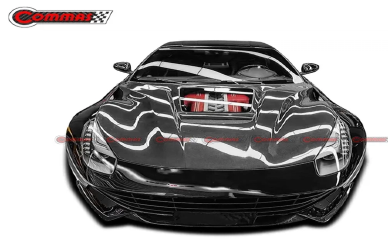
The car hood is an essential part of vehicle design, contributing to both the overall appearance and performance of the vehicle. It plays a critical role in protecting the engine and other internal components while affecting the vehicle’s aerodynamics and weight distribution. The material chosen for the car hood impacts various factors such as fuel efficiency, durability, and safety. Common materials used for car hoods include aluminum, steel, and carbon fiber. Aluminum is lightweight and resistant to corrosion, offering better fuel efficiency but at a higher cost. Steel, on the other hand, is affordable and highly durable, though it is heavier and can be prone to rust. Carbon fiber is incredibly strong and lightweight, often used in high-performance vehicles, but it comes with a significantly higher price tag. Each material has its own benefits and drawbacks when it comes to automotive performance, durability, and cost, and choosing the right one depends on the specific needs and budget of the vehicle owner.
Aluminum is a popular material for car hoods due to its lightweight, corrosion-resistant, and durable nature. These properties make it an ideal choice for modern vehicles, where fuel efficiency and performance are key considerations. Aluminum hoods are commonly used in a variety of car models, especially in luxury vehicles and sports cars, where both aesthetics and functionality are important.
One of the main benefits of aluminum is its light weight, which directly contributes to improved fuel efficiency. Since aluminum is lighter than materials like steel, it reduces the overall weight of the vehicle, leading to better fuel economy and enhanced performance. Additionally, aluminum’s corrosion resistance makes it a suitable choice for vehicles in regions with high humidity or exposure to salt, such as coastal areas. This helps extend the life of the car hood and reduces the need for frequent maintenance.
However, aluminum does come with its drawbacks. It tends to be more expensive than steel, which can increase the overall cost of the vehicle. Moreover, while aluminum is relatively durable, it has less impact resistance than steel or carbon fiber. This means that aluminum hoods may be more susceptible to dents and damage in the event of a collision or impact compared to sturdier materials. Despite these disadvantages, aluminum remains a popular choice due to its significant performance benefits and ability to withstand harsh environmental conditions.
Steel is a widely used material for car hoods due to its strength and rigidity. It has been the traditional choice in automotive manufacturing for decades because of its affordability and durability. Steel hoods are heavier compared to materials like aluminum or carbon fiber, but they provide a solid and reliable option for vehicle construction.
One of the main advantages of steel car hoods is their affordability. Steel is generally less expensive than both aluminum and carbon fiber, making it a cost-effective choice for both manufacturers and consumers. Steel hoods also offer superior impact resistance, making them more durable against dents and damage in the event of a collision. This makes steel a favored choice for many standard and affordable vehicles, as it provides a balance of strength and cost.
Despite its benefits, steel hoods have some drawbacks. The most significant disadvantage is their heavier weight, which can negatively impact the vehicle's performance and fuel efficiency. The added weight reduces the car's aerodynamics and requires more energy to operate. Additionally, steel is prone to rust and corrosion over time, especially if it is exposed to moisture or salt without proper protection. To prevent rust, steel hoods often require paint or protective coatings, which can add to maintenance costs over time. Despite these drawbacks, steel remains a popular choice due to its strength and cost-effectiveness.
Carbon fiber is known for being ultra-lightweight, strong, and highly durable, making it a top choice for high-performance and racing cars. The material’s remarkable combination of strength and lightness gives it a distinct advantage over other materials like aluminum and steel. Due to its properties, carbon fiber is used in vehicles where performance and weight reduction are top priorities.
One of the most significant advantages of carbon fiber is its light weight, which is considerably less than both aluminum and steel. This makes carbon fiber car hoods ideal for improving vehicle performance, handling, and fuel efficiency. The reduction in weight enhances the car's acceleration, braking, and overall agility. Additionally, carbon fiber has an exceptionally high strength-to-weight ratio, making it resistant to damage while still being incredibly lightweight. This feature is particularly beneficial for sports cars and race cars, where both performance and durability are critical.
The primary drawback of carbon fiber is its high cost. Manufacturing carbon fiber components is an expensive process, making carbon fiber hoods significantly more costly than those made from aluminum or steel. Additionally, while carbon fiber is strong, it can be brittle under certain conditions. This means that carbon fiber hoods may be more prone to cracking or fracturing under extreme impacts compared to the more flexible nature of steel or aluminum. Despite these drawbacks, carbon fiber remains highly sought after in the performance car market for its exceptional benefits in terms of weight reduction and strength.
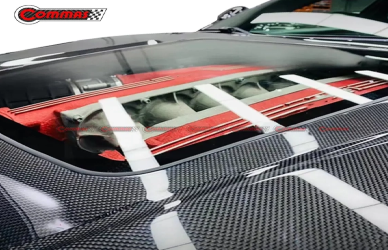
When it comes to choosing the right material for a car hood, there are several factors to consider, including weight, cost, and durability. Each material has its own advantages and drawbacks, making it important to understand how they compare in these key areas.
Among the three materials, carbon fiber is by far the lightest, making it the ideal choice for performance and racing cars that prioritize lightweight construction. Aluminum follows as the second lightest material, offering a good balance between weight and performance. Steel, on the other hand, is the heaviest material, which can reduce overall vehicle performance and fuel efficiency due to the additional weight.
Steel is the most affordable option, widely used in standard vehicles for its cost-effectiveness. Aluminum comes at a mid-range price, offering a better balance of performance and cost than steel. However, carbon fiber is the most expensive material due to its complex manufacturing process and specialized use in high-performance applications. The higher cost of carbon fiber is typically reflected in luxury or racing vehicles.
In terms of impact resistance, steel is the most durable, making it less prone to dents and damage from collisions compared to aluminum and carbon fiber. Carbon fiber, while incredibly strong in terms of strength-to-weight ratio, can be more brittle and prone to cracking or fracturing under extreme impact. Aluminum is more resistant to corrosion than steel, which makes it a good option for areas with high humidity or salt exposure, but it is less durable against direct physical damage.
Each material offers unique benefits depending on the vehicle's needs—whether you prioritize lightweight performance, cost-efficiency, or durability. Understanding these differences will help you choose the best material for your car hood based on your driving preferences and budget.
Aluminum is lightweight, which improves fuel efficiency and overall vehicle performance. It also offers corrosion resistance, making it a great option for vehicles in areas with high humidity or salt exposure, helping extend the life of the hood.
Carbon fiber is ideal for high-performance vehicles due to its light weight and strength. Although it comes with a higher price tag, it offers significant performance benefits, especially in racing and sports cars, where reducing weight without sacrificing strength is crucial for better handling and speed.
Steel is used because it is affordable, strong, and provides excellent impact resistance. Despite being heavier, steel remains a popular choice for standard vehicles that prioritize durability and cost-effectiveness, offering a balance of strength and affordability.
The lighter the material, such as aluminum or carbon fiber, the better the fuel efficiency, as it requires less energy to move the vehicle. Heavier materials like steel can reduce fuel efficiency due to the increased weight, affecting overall vehicle performance and energy consumption.
In conclusion, the choice between aluminum, steel, and carbon fiber for car hoods depends on factors like weight, cost, and durability. Aluminum is lightweight, improving fuel efficiency and performance, but it is more expensive than steel, which is affordable and durable with great impact resistance but adds weight that can reduce fuel economy. Carbon fiber offers superior strength and lightweight properties, making it ideal for high-performance vehicles, though its high cost limits its use to luxury or racing cars. The right material depends on the vehicle’s purpose, performance needs, and budget. As the industry shifts toward lightweight materials for better fuel economy, performance, and safety, materials like aluminum and carbon fiber are becoming increasingly popular, helping reduce vehicle weight and enhance overall efficiency.

