
- All
- Product Name
- Product Keyword
- Product Model
- Product Summary
- Product Description
- Multi Field Search
 English
 Views: 0 Author: Site Editor Publish Time: 2025-11-04 Origin: Site


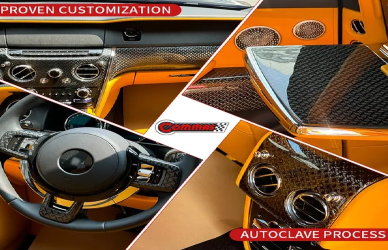
As we approach 2025, the world of car interior design is undergoing exciting transformations, with trendy car interior trimmings leading the way in improving both aesthetics and functionality. The emphasis is shifting towards creating interiors that are not only visually appealing but also sustainable, high-tech, and customizable to fit the personal tastes of vehicle owners. Eco-friendly materials such as bamboo and recycled plastics are becoming increasingly popular, reflecting the growing demand for sustainability in automotive design. At the same time, advanced technology is making its way into car interiors, with features like smart surfaces, ambient lighting, and interactive displays enhancing the driving experience. Minimalist designs are also gaining traction, offering clean, sleek lines that create a more serene and organized cabin. In addition, the rise of customization options allows car owners to tailor their interior trimmings to their unique preferences. As we move into 2025, car interior trimmings are not only transforming the look and feel of vehicles but also reshaping how we interact with and experience our cars.
The automotive industry is increasingly embracing sustainability in its interior design, driven by both environmental concerns and consumer demand for greener products. As the push toward reducing carbon footprints and promoting responsible manufacturing intensifies, the use of sustainable and eco-friendly materials has become a prominent trend in car interiors. This shift reflects a broader commitment to eco-conscious innovation across industries.
Among the most popular materials being incorporated into car interiors are recycled plastics, bamboo, cork, and biodegradable plastics. These materials offer an environmentally friendly alternative to traditional car interior components like leather and synthetic fabrics. Bamboo and cork, being renewable resources, provide a unique, natural look while reducing reliance on non-renewable materials. Recycled plastics help lower the environmental impact by giving new life to waste materials, reducing the need for virgin resources.
The use of sustainable materials not only positively impacts the environment but also enhances the aesthetic appeal of the vehicle. Bamboo’s natural texture and warmth, combined with cork’s unique finish, create an organic, sophisticated look that appeals to environmentally conscious consumers. Biodegradable plastics contribute to a cleaner vehicle lifecycle by breaking down more easily, thereby reducing long-term environmental impact. These materials also help create a stylish, modern, and eco-conscious interior that aligns with the growing desire for sustainability without compromising on design.
Leading automotive brands are increasingly adopting sustainable trimmings in their vehicle designs. BMW has incorporated bamboo fibers in its interior panels, creating a luxury feel while reducing environmental harm. Similarly, Tesla uses recycled materials and eco-friendly fabrics to create interiors that align with their commitment to sustainability. Other brands, including Audi and Volvo, are also utilizing sustainable materials to offer consumers an environmentally responsible, stylish, and comfortable driving experience.
The automotive interior design landscape is increasingly shifting toward minimalist and clean aesthetics, emphasizing simplicity, functionality, and efficiency. This trend is marked by the use of sleek lines, subtle finishes, and materials that create an uncluttered, serene environment inside the vehicle. The focus is on reducing visual noise while ensuring that every detail serves a purpose, offering both aesthetic appeal and practicality.
Key materials driving this minimalist design trend include matte plastics, natural wood, and fabric-covered panels. Matte plastics offer a smooth, understated finish that complements the minimalist ethos without drawing too much attention. Natural wood, often used in the form of subtle accents or trims, introduces a sense of warmth and sophistication, balancing the cool, sleek feel of matte materials. Fabric-covered panels, meanwhile, offer a soft, tactile quality that enhances comfort while keeping the look simple and refined.
Another hallmark of minimalist interior trimmings is the use of concealed controls and integrated storage solutions. In 2025, car interiors are moving toward a cleaner look by hiding buttons, switches, and other controls. Touch-sensitive panels, integrated into smooth surfaces, eliminate the need for bulky switches, giving the cabin a more streamlined appearance. Similarly, hidden storage compartments maximize space efficiency, creating a more organized and uncluttered feel. These design elements not only improve the vehicle's visual appeal but also enhance functionality, making the driving experience more intuitive and user-friendly.
The demand for custom interior trimmings has seen significant growth in recent years, as more car buyers seek to express their individual style and preferences through their vehicle interiors. Customization offers a unique way for owners to personalize their driving experience, allowing them to choose from a range of materials, colors, and finishes that reflect their taste. This trend towards personalization has become a key focus for automotive manufacturers, who are increasingly offering a wider variety of options to meet the diverse needs of consumers.
One of the most exciting aspects of custom interior trimmings is the ability to add personalized accents that make a vehicle truly one-of-a-kind. Car owners can choose from custom embroidery on seats or unique stitching patterns for upholstery to give the interior a distinctive touch. Whether it’s a logo, initials, or a specific design, these personal touches can make a significant difference in the overall aesthetic of the car. Additionally, personalized interior details such as custom floor mats, shift knobs, or steering wheel covers allow owners to further enhance their vehicle’s look and feel, creating a truly unique driving environment.
Recognizing the demand for more personalized experiences, automakers are offering a growing array of customizable interior options. Many now allow buyers to select from a variety of materials such as leather, suede, or fabric for seats and interior panels, along with a choice of colors and finishes. Trim accents can be selected in materials like wood, carbon fiber, or metal, depending on the desired style. In addition to the traditional offerings, manufacturers are now providing more flexibility in the design of features such as ambient lighting, seat stitching, and customized dashboard displays to ensure that every vehicle is a true reflection of the owner’s personality.
As consumer tastes continue to evolve, automakers are responding by incorporating more flexible and expansive customization options into their vehicles. This shift toward personalized interiors not only allows for a more individualized driving experience but also enhances the emotional connection between car owners and their vehicles, making their cars feel like an extension of their personality and lifestyle. Whether for style, comfort, or functionality, the ability to customize car interior trimmings has become an important factor in today’s automotive market.

In 2025, the color trends for vehicle interiors are shifting towards neutral tones, earthy hues, and bold accent colors, reflecting a preference for calm, modern, and natural aesthetics. These color choices not only enhance the visual appeal of the interior but also contribute to a more relaxing driving experience.
Neutral colors such as beige, gray, and cream continue to dominate, providing a timeless, versatile backdrop for various materials. Alongside these, earthy tones like warm browns and deep greens are gaining popularity, evoking a sense of nature and tranquility in the cabin.
To add vibrancy, bold accent colors such as vibrant blues, rich oranges, and electric greens are being used in smaller features like seat stitching and dashboard details. These accents bring energy and a personal touch to the interior without overwhelming the design.
Matte finishes and metallic accents are becoming common for their sleek, modern look. Matte offers a sophisticated texture, while metallics like brushed aluminum add a high-end, contemporary feel to trim pieces and other details.
As people spend more time in their cars, there is a growing desire for relaxing interiors. Natural tones and soft textures help create a serene atmosphere, making the driving experience feel more like an escape.
Overall, 2025 interior color trends focus on subtle, natural, and personalized designs, with an emphasis on comfort, modernity, and elegance.
In 2025, recycled materials like bamboo, cork, and biodegradable plastics are becoming more prevalent, as manufacturers move toward eco-friendly car interiors that help reduce environmental impact.
2025 car interiors feature smart technology like touchscreen panels, interactive displays, and ambient lighting, which enhance both the functionality and aesthetic appeal of the vehicle. Voice recognition and customizable LED panels will be key features.
Yes, minimalist and clean designs are a major trend in 2025. Sleek lines, natural materials like matte plastics and wood, and subtle finishes create a streamlined, clutter-free interior.
Yes, personalization is a growing trend, with many manufacturers offering customizable options for trimmings, allowing buyers to select materials, colors, stitching patterns, and more to create a truly unique interior.
The color trends for 2025 car interior trimmings reflect a shift toward creating a calm, modern, and personalized driving experience. Emphasizing neutral tones and earthy hues, along with bold accent colors and metallic details, these interiors are designed to offer both visual appeal and comfort. The use of matte finishes and natural materials aligns with the desire for a sophisticated yet functional interior, fostering a relaxing environment for drivers and passengers. As car owners increasingly look for vehicles that match their personal style and provide a tranquil atmosphere, these trends are defining the future of automotive design. The 2025 color trends in car interior trimmings not only elevate the vehicle's appearance but also enhance the driving experience, ensuring both comfort and style throughout every journey.


