
- All
- Product Name
- Product Keyword
- Product Model
- Product Summary
- Product Description
- Multi Field Search
 English
 Views: 0 Author: Site Editor Publish Time: 2025-11-24 Origin: Site


Car bumpers may seem like simple components at first glance, but they play a crucial role in vehicle safety, performance, and aesthetics. Modern car bumpers are the result of decades of engineering innovation, combining materials science, design, and functional requirements. This guide will explore the different types of car bumpers, their designs, functions, and considerations for choosing or upgrading your vehicle’s bumper system.
Car bumpers are designed to absorb impact in low-speed collisions, protecting both the vehicle and its occupants. They serve as the first line of defense in minor accidents, reducing damage to more critical components such as the engine, radiator, lights, and structural frame. Beyond safety, bumpers also contribute to:
Aerodynamics: Streamlined bumper designs can reduce drag, improving fuel efficiency and handling.
Aesthetic Appeal: Bumpers define a vehicle’s front and rear styling, creating a cohesive, modern look.
Accessory Integration: Modern bumpers often house sensors, cameras, fog lights, and parking assist systems, integrating technology seamlessly into vehicle design.
Bumpers vary based on vehicle type, materials, and intended function. Understanding the differences helps when choosing a replacement or upgrade.
Original Equipment Manufacturer (OEM) bumpers are designed specifically for each vehicle model. They ensure compatibility with the car’s frame, sensors, and aesthetic lines. OEM bumpers are often the best choice for safety and performance because they meet strict manufacturer standards.
Aftermarket bumpers are produced by third-party manufacturers and offer flexibility in design, materials, and cost. These bumpers can be tailored for:
Performance: Lightweight designs for racing or off-road use.
Appearance: Aggressive, sporty, or custom styles to enhance visual appeal.
Budget: More affordable options compared to OEM replacements.
Reinforced bumpers are designed for heavy-duty applications, such as SUVs, trucks, and off-road vehicles. They often include steel or aluminum reinforcements to withstand impacts and improve vehicle protection in rugged environments.
Modern cars increasingly feature bumpers made with energy-absorbing materials like foam cores, honeycomb structures, or advanced polymers. These designs help dissipate kinetic energy during a collision, reducing repair costs and enhancing passenger safety.
For automotive enthusiasts, custom bumpers allow personalization and functional improvements. Examples include:
Off-Road Bumpers: Equipped with winch mounts, tow hooks, and skid plates.
Racing Bumpers: Aerodynamically optimized for downforce and cooling.
Luxury or Show Bumpers: Focused on unique styling and finish.
The material used in a car bumper has a direct impact on its durability, weight, repairability, cost, and overall performance. Over the years, manufacturers have experimented with a range of materials to balance safety, aesthetics, and functionality. The most commonly used materials include:
Thermoplastics such as polypropylene (PP) and acrylonitrile butadiene styrene (ABS) are widely used in modern car bumpers. These materials are lightweight, flexible, and highly cost-effective. One of the key advantages of plastic bumpers is their ability to absorb minor impacts without permanent deformation, which helps reduce repair costs from low-speed collisions. Additionally, plastic bumpers are easy to paint, allowing seamless integration with the vehicle’s exterior design. For vehicles in urban environments where minor fender-benders are common, plastic bumpers provide an optimal balance between protection, aesthetics, and affordability.
Aluminum is increasingly used in high-performance, luxury, and electric vehicles due to its combination of strength and low weight. Aluminum bumpers offer corrosion resistance, which helps prolong lifespan, especially in regions with high humidity or exposure to road salts. They also contribute to improved fuel efficiency, as reducing weight lowers the vehicle’s overall energy demand. Aluminum bumpers are particularly beneficial for sports cars and premium vehicles, where both performance and aesthetics are critical. Though more expensive than plastic, aluminum provides superior impact resistance without significantly compromising weight.
Steel is known for its high impact resistance and structural integrity, making it a common choice for trucks, SUVs, and off-road vehicles. Unlike plastic or aluminum, steel is heavier, which increases the vehicle’s front or rear mass slightly, but it provides unmatched durability in demanding environments. Steel bumpers can withstand rough terrain, collisions, and heavy-duty use, making them ideal for commercial vehicles or off-road enthusiasts. While steel bumpers are more challenging to repair and may corrode over time without proper treatment, their resilience often outweighs these drawbacks in heavy-duty applications.
Advanced composites, including carbon fiber-reinforced plastics and fiberglass-reinforced polymers, are increasingly featured in performance and luxury vehicles. These materials offer an exceptional strength-to-weight ratio, allowing manufacturers to design lightweight bumpers that are both strong and visually appealing. Composite bumpers often support aerodynamically optimized shapes, enhancing airflow and vehicle stability at high speeds. While more expensive and often requiring specialized repair techniques, composites allow for innovative, custom designs that cannot be achieved with traditional materials.
Bumper design involves much more than aesthetics. Engineers must consider safety, aerodynamics, technological integration, and legal compliance to create bumpers that perform effectively in real-world conditions. Key considerations include:
The primary purpose of a bumper is to absorb and dissipate energy during collisions. Modern bumpers are engineered with crumple zones, energy-absorbing cores, and reinforced structures to minimize damage to both the vehicle and its occupants. Plastic, aluminum, steel, or composite bumpers are often combined with foam cores or honeycomb inserts to improve energy dissipation. Effective impact absorption reduces repair costs and enhances occupant safety by lessening the force transmitted to the cabin during low- to medium-speed collisions.
Aerodynamic efficiency is increasingly important in vehicle design, affecting fuel consumption, stability, and performance. Bumpers contribute to the vehicle’s overall aerodynamic profile by managing airflow around the front and rear of the car. Smooth, streamlined bumpers reduce drag and minimize turbulence, while performance-oriented bumpers may incorporate splitters, canards, or diffusers to enhance downforce and stability at high speeds. Aerodynamic considerations are particularly important for sports cars, high-performance vehicles, and electric cars, where even minor drag reduction can improve efficiency.
Modern vehicles are equipped with a variety of safety and convenience technologies, including parking sensors, collision detection systems, cameras, and radar. Bumpers are designed with integrated cavities, mounts, or channels to house these devices without compromising appearance. Engineers carefully position sensors to maximize coverage while maintaining structural integrity. The seamless integration of technology ensures that the vehicle remains both safe and stylish, while also accommodating future upgrades to advanced driver-assistance systems (ADAS).
Car bumpers must comply with strict regulations and safety standards, which vary by region. These standards dictate bumper height, impact resistance, pedestrian safety, and materials used in construction. Manufacturers must ensure that bumpers meet these requirements without compromising design aesthetics or performance. Regulatory compliance ensures that vehicles are both legally roadworthy and safe in the event of a collision. For consumers, this means choosing bumpers that not only look good but also meet internationally recognized safety standards.
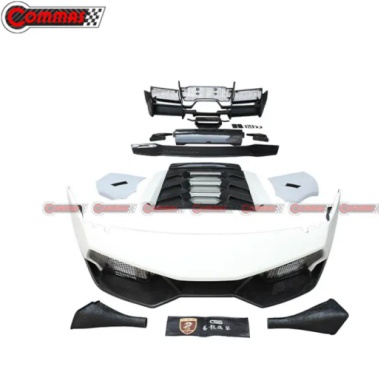
Proper installation and maintenance can extend bumper life and ensure optimal performance:
Always follow manufacturer specifications for OEM or aftermarket bumpers.
Ensure all mounting points are secure and that sensors and lights are properly connected.
Seek professional installation for reinforced or custom bumpers to avoid misalignment.
Regularly inspect for cracks, scratches, or loose components.
Clean and polish plastic and painted bumpers to prevent fading.
Address minor damage promptly to avoid worsening corrosion or structural issues.
Plastic bumpers can often be repaired using heat or filler materials.
Metal bumpers may require straightening or welding after significant impact.
Consider replacement if damage compromises safety or sensor functionality.
Bumpers are not just about protection—they also contribute to performance and style:
Performance: Aerodynamic bumpers reduce drag, improve handling, and optimize airflow to brakes or engine cooling systems.
Style: Custom bumpers transform the vehicle’s appearance, giving it a more aggressive, modern, or luxurious look.
Off-Road Capability: Reinforced bumpers with skid plates and tow hooks enhance off-road durability and functionality.
The evolution of car bumpers is closely tied to safety, sustainability, and technology:
Lightweight Materials: Increased use of carbon fiber and aluminum to reduce vehicle weight.
Smart Bumpers: Integration of sensors, cameras, and even impact detection systems.
Eco-Friendly Production: Sustainable polymers and recycled materials are becoming more common.
Adaptive Design: Bumpers that adjust or absorb energy differently depending on collision severity.
Car bumpers are more than just decorative car parts—they are critical to safety, performance, and style. From standard OEM bumpers to high-performance or custom designs, choosing the right bumper involves understanding materials, design features, and installation requirements. Proper care and maintenance ensure longevity, optimal performance, and continuous protection.
For businesses, car enthusiasts, or individuals seeking high-quality car bumpers with advanced designs and materials, Guangzhou CSS Auto Accessories Co., Ltd. offers a comprehensive range of solutions. Their products combine durability, aesthetic appeal, and compliance with industry standards. Contact them to explore their offerings and find the ideal bumper solutions for your vehicles.


