
- All
- Product Name
- Product Keyword
- Product Model
- Product Summary
- Product Description
- Multi Field Search
 English
 Views: 0 Author: Site Editor Publish Time: 2025-11-13 Origin: Site



Ventilated car hoods, designed with vents or ducts, are specifically engineered to enhance engine cooling by allowing hot air to escape more efficiently. These hoods facilitate better airflow, helping prevent overheating, which is a common problem in both high-performance and everyday vehicles. As performance standards rise and engine efficiency becomes more important, ventilated car hoods have become a popular modification. They not only improve the engine’s cooling system but also contribute to overall vehicle performance and fuel efficiency by maintaining optimal engine temperatures. In this article, we will explore how ventilated hoods function, the benefits they offer for engine performance, and why they are a valuable upgrade for vehicle longevity and efficiency.
Ventilated car hoods are custom-designed hoods that feature built-in vents, louvres, or ducts to improve the airflow around the engine compartment. These modifications allow hot air generated by the engine to escape more efficiently, helping to maintain optimal engine temperatures and prevent overheating. By improving air circulation, ventilated hoods reduce the strain on the engine’s cooling system, allowing the engine to operate at its best performance level.
The primary feature of ventilated hoods is the presence of airflow channels such as vents, louvres, or ducts. These elements are strategically placed to allow hot air to escape while drawing in cooler air from the outside. The vents help release the heat trapped in the engine bay, while louvres (the slotted openings) and ducts channel this heat out, preventing the engine from getting too hot. This enhanced cooling not only improves engine performance but also increases the efficiency of other vehicle systems that rely on stable temperatures, like the coolant system and electrical components.
Ventilated car hoods are often made from materials such as aluminum, fiberglass, and carbon fiber. Aluminum is lightweight and corrosion-resistant, making it an affordable option for improved cooling. Carbon fiber, while more expensive, offers a superior strength-to-weight ratio and is often used in high-performance or sports vehicles. Fiberglass is another popular choice due to its balance of cost, weight, and durability, although it may not offer the same strength as carbon fiber. These materials are designed to integrate the necessary features for optimal airflow and heat dissipation while maintaining the car’s overall aesthetics and structural integrity.
The primary function of a ventilated car hood is to improve airflow around the engine, which plays a crucial role in keeping the engine at an optimal temperature. As the engine runs, it generates heat, and without proper ventilation, this heat can build up, leading to overheating. Overheating can cause serious engine damage, reduce performance, and even shorten the lifespan of critical engine components. A ventilated hood allows cool air to flow into the engine compartment while hot air is expelled, preventing temperature buildup and helping maintain a stable engine environment.
Ventilated hoods are designed with strategically placed vents, louvres, or ducts that facilitate the expulsion of hot air from the engine bay. As hot air rises naturally, these openings allow it to escape more efficiently. This reduces the burden on the vehicle’s cooling system, allowing the radiator and coolant to operate more efficiently, as they don’t have to work as hard to regulate engine temperature. With better cooling, the engine is less likely to experience heat-related damage, such as warping or cracking of components, which can be costly to repair.
Effective cooling has a direct impact on both performance and fuel efficiency. When an engine is running at its optimal temperature, it can perform more efficiently, with better acceleration, responsiveness, and overall drivability. Engine components like the fuel injectors and spark plugs operate more effectively when the engine is not overheating, leading to smoother operation and less wear and tear. Additionally, a well-cooled engine consumes fuel more efficiently because it doesn’t have to compensate for temperature-related inefficiencies. This means better miles per gallon (MPG) and a reduction in overall fuel costs, making ventilated hoods not just beneficial for performance but also for long-term fuel savings.
One of the primary benefits of ventilated car hoods is their ability to regulate engine temperature more effectively. By improving airflow and allowing hot air to escape, ventilated hoods help maintain a more stable operating temperature for the engine. This reduces the strain on critical engine components, such as the engine block, gaskets, and cooling system, which can wear out faster when exposed to excessive heat. With better temperature regulation, these components experience less stress, leading to reduced risk of overheating and a longer lifespan for the engine.
Continuous exposure to high temperatures can lead to engine wear and corrosion, especially in areas where moisture and heat interact, such as around the engine block or cooling system components. Ventilated hoods help mitigate this issue by allowing hot air to escape, preventing the build-up of heat that can cause corrosion and accelerated wear over time. By reducing the chances of these heat-induced problems, ventilated hoods play a vital role in extending the life of engine parts and maintaining the overall health of the vehicle.
With better cooling provided by ventilated car hoods, the engine operates more efficiently, and the coolant system works less hard to regulate temperature. This results in fewer breakdowns, reduced maintenance needs, and less frequent repairs. Proper cooling ensures that the engine and related components are kept within optimal operating conditions, preventing issues like warping, leaking, or excessive buildup of heat. In the long run, this leads to lower repair costs and an overall extended vehicle lifespan, as the engine remains in good condition for a longer period of time.
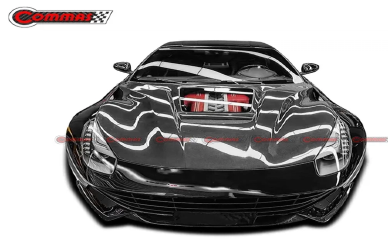
Installing a ventilated car hood can alter your vehicle's appearance. While it enhances a sporty or performance-focused look, it might not suit every vehicle’s design. Consider whether the vents, louvres, or ducts align with your style preferences and how they impact the overall aesthetic of the car.
Modifying your car with a ventilated hood could affect vehicle inspections and safety compliance. Some modifications may require inspection to ensure they meet safety and emissions standards. It's important to check with local authorities to ensure that the hood complies with regulations and doesn’t interfere with necessary inspections.
The cost of a ventilated car hood depends on the material (e.g., aluminum, carbon fiber) and the complexity of installation. Carbon fiber hoods are more expensive but offer better performance, while aluminum is more affordable. Installation costs should also be considered, especially for custom or aftermarket parts.
1.How do ventilated car hoods improve engine cooling?
Ventilated car hoods have vents or ducts that allow hot air to escape from the engine bay, improving airflow and reducing the likelihood of overheating. This ensures the engine operates at optimal temperatures, preventing damage and improving efficiency.
While ventilated hoods are often used in sports and high-performance vehicles, they can benefit any car that experiences high engine temperatures or overheating issues, making them suitable for a wide range of vehicles.
Yes, by improving engine cooling and reducing the load on the cooling system, ventilated hoods can indirectly contribute to better fuel efficiency, as the engine doesn't have to work as hard to maintain a safe operating temperature.
Ventilated hoods often come with distinctive vents or louvres, which can change the appearance of the vehicle. While some drivers appreciate the sporty and aggressive look, others may prefer to keep the design more understated. It’s important to consider how the new hood will fit with your car’s overall design and style.
To sum up, ventilated car hoods provide a range of advantages, such as enhanced engine cooling, improved performance, and increased vehicle longevity. By allowing for better airflow and efficient heat dissipation, these hoods help keep the engine at optimal temperatures, preventing overheating and minimizing wear on engine components. This not only boosts engine efficiency but also results in better acceleration, braking, and fuel economy, making the vehicle more responsive and cost-effective. Furthermore, the cooling effect helps extend the vehicle’s life by reducing the risk of heat-related damage.
For those looking to enhance engine performance and overall vehicle efficiency, upgrading to a ventilated car hood is a wise investment. It offers both practical benefits for engine health and performance improvements, making it a valuable modification for long-term vehicle care.