
- All
- Product Name
- Product Keyword
- Product Model
- Product Summary
- Product Description
- Multi Field Search
 English
 Views: 0 Author: Site Editor Publish Time: 2025-11-21 Origin: Site


Car bumpers are no longer just cosmetic add-ons—they are critical safety components designed to absorb impact, protect passengers, and reduce vehicle damage during collisions. Modern engineering, materials science, and crash safety standards have transformed bumpers from simple metal bars into sophisticated, energy-absorbing systems that enhance both safety and performance.
Early automobiles used steel bumpers primarily for aesthetic appeal and minor protection. These rigid structures could withstand low-speed impacts but transmitted most of the force to the vehicle frame and occupants, causing higher repair costs and injuries.
Modern bumpers, by contrast, are designed with crash energy management in mind. They include multiple layers, impact-absorbing cores, and flexible materials that reduce damage to both the car and its passengers during low- to moderate-speed collisions. Advanced designs are tested against rigorous government and industry safety standards to ensure maximum protection.
Modern car bumpers are no longer just aesthetic additions—they are sophisticated engineering components designed to optimize strength, weight, energy absorption, and overall safety performance. Advances in materials science have enabled manufacturers to create bumpers that not only protect vehicle occupants and pedestrians but also improve aerodynamics, fuel efficiency, and styling flexibility.
Thermoplastics such as polypropylene (PP) and acrylonitrile butadiene styrene (ABS) dominate contemporary bumper construction. These materials offer a balance of strength, flexibility, and cost-effectiveness.
Impact Absorption: Thermoplastics can flex under minor collisions without cracking, absorbing energy before it reaches critical components like headlights, radiators, or the vehicle frame. This feature is particularly valuable in urban environments, where low-speed fender-bender accidents are common.
Weight Reduction: Lightweight materials reduce the overall mass of the vehicle, which enhances fuel efficiency and reduces carbon emissions. Lighter bumpers also improve handling and braking performance, contributing to both safety and driving comfort.
Design Versatility: Thermoplastics are easily molded into intricate shapes, allowing manufacturers to produce aerodynamic designs that reduce drag while maintaining visually appealing styling. This flexibility is a key reason why many modern vehicles feature sculpted bumper contours and integrated aerodynamic elements.
Cost-Effectiveness: Compared to metals or advanced composites, thermoplastics are more economical to produce, making them suitable for mass production while still maintaining high safety standards.
Behind the plastic shell, engineers incorporate energy-absorbing foams such as polyurethane or expanded polystyrene. These materials act as a secondary buffer, dissipating the kinetic energy generated during collisions:
Shock Absorption: Foam layers cushion impacts and reduce the force transferred to structural components, protecting elements like fenders, radiators, and headlights from damage.
Passenger Safety: By absorbing low-to-moderate impact energy, foam inserts contribute to minimizing injuries during minor collisions.
Integration Flexibility: Foams can be engineered with variable densities and thicknesses to meet specific vehicle requirements and safety regulations. For example, denser foam may be used in regions prone to higher-speed collisions, whereas lighter foam may suffice for urban cars.
For higher-speed impacts, modern bumpers include internal reinforcement beams made from steel or aluminum:
Structural Integrity: These beams spread impact forces over a larger area, preventing localized deformation and protecting the passenger cabin.
Durability: Steel offers excellent resistance to high-impact collisions and is commonly used in trucks, SUVs, and off-road vehicles. Aluminum provides a lightweight, corrosion-resistant alternative favored by luxury and sports vehicles.
Energy Management: By working in combination with foam and thermoplastic layers, reinforcement beams ensure controlled energy absorption, reducing damage to the vehicle and enhancing occupant protection.
Some high-end vehicles use advanced composites combining plastics, fibers, and metals to maximize safety and performance:
Enhanced Energy Absorption: Composites efficiently dissipate collision forces while maintaining structural integrity.
Weight Reduction: Composites weigh less than traditional metals, improving fuel economy, acceleration, and vehicle handling.
Design Flexibility: High-strength composites allow sleek, aerodynamic shapes that would be difficult to achieve with conventional materials.
Crash Safety: By combining rigidity, flexibility, and lightness, composite bumpers maintain excellent performance in collisions, contributing to both occupant and pedestrian safety.
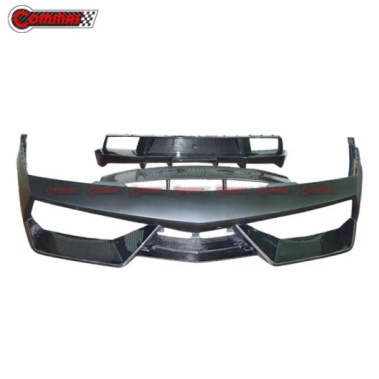
Modern bumpers are no longer just protective shells; they integrate multiple technologies designed to safeguard occupants, pedestrians, and the vehicle itself.
Bumpers are engineered to absorb and redirect energy efficiently:
Low-Speed Collisions: Flexible plastic covers and foam cores absorb most of the energy, preventing damage to headlights, radiators, and fenders. This reduces repair costs and preserves vehicle aesthetics.
High-Speed Collisions: Reinforcement beams distribute forces across the vehicle frame, reducing deformation to the passenger cabin. This multi-layered protection is crucial in severe accidents.
Multi-Layer Design: The combination of thermoplastics, foams, and metal beams ensures that bumpers manage a wide range of collision scenarios, from parking lot bumps to highway impacts.
Pedestrian protection has become a major focus in bumper design, particularly in urban environments:
Deformable Surfaces: Soft outer layers reduce the severity of injuries during pedestrian impacts.
Strategic Impact Zones: Engineers design zones that absorb and redirect energy, minimizing trauma to pedestrians’ legs and lower extremities.
Regulatory Compliance: Many countries require pedestrian-friendly bumpers, mandating specific deformation characteristics to reduce injury risks in urban areas.
Modern bumpers also serve as mounting points for electronic safety systems:
Parking Assistance: Sensors detect nearby obstacles, helping prevent collisions during low-speed maneuvers.
Forward Collision Warning: Embedded radar and cameras alert drivers to imminent impacts.
Autonomous Emergency Braking (AEB): Integration with automated braking systems ensures rapid responses to collision threats.
Electronic Safety Coordination: Sensor placement within bumpers is carefully calibrated to ensure accurate detection and timely intervention, enhancing overall vehicle safety.
Bumpers work in tandem with crumple zones—sections of the vehicle designed to deform in a controlled manner:
Energy Dissipation: Crumple zones absorb kinetic energy, reducing the force transmitted to the passenger cabin.
Synergy With Bumpers: Together, bumpers and crumple zones create a multi-layered protective system, enhancing the safety of both vehicle occupants and pedestrians.
Modern bumper technology has evolved far beyond serving as a simple protective barrier. Today’s bumpers are engineered to enhance safety, reduce repair costs, improve vehicle performance, and even contribute to overall aesthetics. These advancements provide tangible benefits for both drivers and pedestrians.
One of the most immediate advantages of modern bumpers is their ability to minimize damage in low-speed collisions. Traditional rigid bumpers often transferred impact forces directly to structural components, resulting in costly repairs to headlights, radiators, and body panels. Modern bumpers, however, use a combination of flexible thermoplastics, energy-absorbing foam cores, and reinforced beams to dissipate collision forces effectively. This means that minor fender-bender accidents often result in minimal damage, reducing the need for expensive part replacements and lowering overall vehicle maintenance costs.
Passenger safety is a central focus in contemporary bumper design. By integrating multiple layers—flexible outer shells, foam inserts, and internal reinforcement beams—bumpers absorb and distribute collision energy efficiently. In higher-speed impacts, these components work in conjunction with vehicle crumple zones to protect the passenger cabin, mitigating the risk of severe injuries. Additionally, modern bumpers are designed to maintain structural integrity even during off-center or angled collisions, providing consistent protection across a variety of accident scenarios.
Modern bumpers also play a critical role in pedestrian safety. Soft outer surfaces, lower edges, and carefully engineered impact zones help reduce injury severity if a collision occurs. These design features comply with international pedestrian safety regulations, ensuring that vehicles meet stringent safety standards. Features such as deformable bumper skins and energy-dissipating inserts are increasingly common, reflecting a growing emphasis on urban safety and responsible vehicle design.
Beyond safety, modern bumpers enhance vehicle aesthetics and performance. Lightweight, moldable materials allow designers to create sleek, aerodynamic profiles that reduce drag, improve fuel efficiency, and contribute to better handling. Integrated design elements, such as front splitters and rear diffusers, not only elevate the vehicle’s appearance but also support stability at higher speeds. This combination of style, performance, and safety demonstrates how modern bumpers have become a vital component of vehicle engineering, balancing form and function seamlessly.
When selecting a bumper, whether for replacement or new vehicle production, consider:
Material Durability and Flexibility: Ensure the bumper can absorb impact without cracking or permanent deformation.
Compliance With Safety Standards: Verify that the bumper meets local and international crash safety regulations.
Integration With Electronics: Modern bumpers should accommodate sensors for parking assistance, collision detection, and autonomous safety systems.
Brand Reputation: Established manufacturers like Guangzhou CSS Auto Accessories Co., Ltd. provide high-quality bumpers that combine safety, style, and durability. Their products are designed to meet modern crash protection standards while complementing vehicle aesthetics.
Choosing a reliable, well-designed bumper not only ensures safety but also enhances the vehicle’s overall performance, longevity, and visual appeal.
Modern car bumpers are more than decorative elements—they are engineered safety devices designed to protect passengers, pedestrians, and vehicles from damage. With innovations in materials, energy absorption technology, and integration with advanced safety systems, bumpers play a critical role in crash protection. Choosing a reliable and high-quality bumper ensures both enhanced safety and long-term durability.
For more information on high-quality car bumpers and to explore options tailored to your vehicle, visit Guangzhou CSS Auto Accessories Co., Ltd.. Their products combine safety, performance, and style, making them a trusted choice for car enthusiasts and manufacturers alike.


