
- All
- Product Name
- Product Keyword
- Product Model
- Product Summary
- Product Description
- Multi Field Search
 English
 Views: 0 Author: Site Editor Publish Time: 2025-11-19 Origin: Site


Car bumpers are among the most visible and crucial safety features on any vehicle. While often overlooked as simple aesthetic components, modern bumpers are sophisticated systems engineered to protect both the vehicle and its occupants during collisions. One of the key scenarios where bumpers play a critical role is in low-speed collisions, such as minor fender-benders in parking lots or urban traffic. These seemingly minor accidents can still lead to costly repairs, but advanced bumper design significantly mitigates damage.
Initially, car bumpers were primarily cosmetic, serving as a visual accent to the vehicle’s design. Over time, however, they evolved into functional components designed to:
Absorb impact energy to protect structural elements.
Reduce repair costs by preventing damage to headlights, radiators, and body panels.
Enhance passenger and pedestrian safety.
Integrate with sensors and safety technologies in modern vehicles.
Bumpers are now considered critical for both safety compliance and vehicle durability, especially in urban environments where low-speed collisions are common.
The material composition of a bumper plays a pivotal role in its ability to absorb and dissipate impact energy. Modern bumpers are multi-layered, combining several materials to maximize protection.
Thermoplastics such as polypropylene (PP) and acrylonitrile butadiene styrene (ABS) are widely used for bumper covers. These materials are lightweight yet flexible, allowing the bumper to deform during minor collisions without cracking. Benefits include:
Impact Absorption: Thermoplastics bend under force, absorbing collision energy.
Weight Reduction: Lighter materials reduce overall vehicle weight, improving fuel efficiency.
Design Flexibility: They can be molded into complex shapes for aerodynamic and aesthetic purposes.
Cost-Effectiveness: Thermoplastics are economical, making them suitable for mass production.
Behind the plastic shell, foams such as polyurethane or expanded polystyrene act as shock absorbers. These foams dissipate kinetic energy, preventing damage to internal components.
Shock Absorption: Foam layers reduce the impact force transmitted to the vehicle frame.
Passenger Safety: Energy is absorbed before reaching occupants, reducing injury risk.
To handle higher-speed impacts or stronger forces, bumpers often include internal reinforcement beams:
Structural Integrity: Beams distribute collision energy across a wider area, protecting the cabin.
Durability: Steel provides high strength; aluminum is corrosion-resistant and lighter.
Energy Management: Works in combination with foam and plastic layers for controlled energy absorption.
Some premium vehicles use composites that combine plastics, fibers, and metals. Benefits include:
Enhanced energy absorption.
Reduced weight without compromising safety.
Sleek aerodynamic designs.
Low-speed collisions, typically defined as impacts occurring below 15 km/h (9 mph), are among the most frequent accidents in urban driving, parking lots, and traffic congestion scenarios. Although these accidents are minor compared to high-speed collisions, they can still result in significant cosmetic and structural damage, including cracked headlights, dented fenders, scratched hoods, and misaligned panels. Modern bumpers are designed to minimize these consequences through a combination of advanced materials, layered structures, and intelligent energy management. Understanding how bumpers absorb impact can highlight their importance in reducing repair costs and protecting vehicle integrity.
The outer shell of a modern bumper is typically made from flexible thermoplastics such as polypropylene (PP) or acrylonitrile butadiene styrene (ABS). These materials are engineered to bend and flex upon impact without cracking or shattering.
Energy Absorption: When a low-speed collision occurs, the outer cover temporarily deforms, absorbing a portion of the kinetic energy before it reaches the underlying components. This controlled deformation prevents the force from directly affecting the vehicle frame, reducing the risk of damage to essential parts such as the radiator, grille, and headlights.
Elastic Recovery: Many modern plastics are engineered to return close to their original shape after minor impacts. This “self-recovery” capability further mitigates the need for costly repairs, especially in parking lot bumps or fender-benders.
Cosmetic Protection: The flexible cover also helps preserve the vehicle’s aesthetic appeal. Even if minor scratches occur, repainting the plastic cover is usually simpler and cheaper than replacing metal body panels.
Behind the outer plastic shell, energy-absorbing foam layers—typically polyurethane or expanded polystyrene—act as a critical buffer between the cover and the reinforcement beam.
Shock Dissipation: These foam layers compress under the force of impact, converting kinetic energy into deformation energy, which reduces the force transmitted to the car’s frame.
Structural Protection: By absorbing energy, the foam prevents bending or cracking of internal components, including the frame rails, bumper mounts, and front-end structures.
Cost Efficiency: Foam compression reduces the likelihood of expensive structural repairs. Even if the outer cover is slightly damaged, the core foam protects expensive components from direct impact.
Tailored Design: Manufacturers can vary foam density and thickness depending on the vehicle model, optimizing the balance between energy absorption and bumper rigidity. Heavier vehicles, for example, may use higher-density foams to manage greater impact energy.
Modern bumpers include internal reinforcement beams made from high-strength steel or lightweight aluminum alloys. These beams serve as the backbone of the bumper, providing critical support during collisions.
Force Distribution: The reinforcement beam spreads the remaining energy across the bumper’s width, preventing localized deformation that could damage a single section of the car’s body.
Enhanced Durability: Steel beams are particularly effective in trucks, SUVs, and off-road vehicles where impacts may be more forceful. Aluminum beams, often used in sports cars or luxury vehicles, combine strength with reduced weight.
Synergy With Foam and Cover: The beam works in tandem with the outer plastic cover and energy-absorbing foam to form a multi-layered protection system. Each layer absorbs a portion of the impact energy, significantly reducing the overall force transmitted to the vehicle chassis.
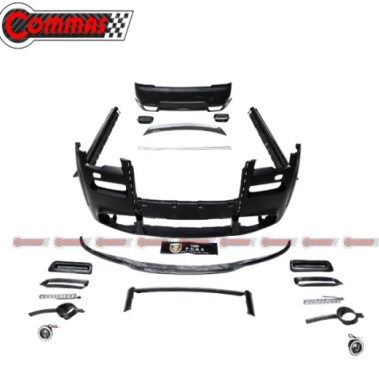
Modern bumpers go beyond passive protection—they incorporate advanced safety engineering designed to reduce damage and improve occupant and pedestrian safety.
Crumple zones are sections of the vehicle designed to deform intentionally during a collision, absorbing energy and reducing the forces transmitted to passengers. The bumper is the first point of contact in most low-speed impacts and works closely with the front and rear crumple zones.
Energy Dissipation: During a minor collision, the bumper flexes and compresses, allowing the crumple zone to absorb the remaining energy gradually.
Passenger Protection: By controlling deformation, crumple zones reduce the risk of injury, even in low-speed accidents, by minimizing sudden deceleration forces inside the cabin.
Urban safety regulations increasingly mandate pedestrian-friendly bumper designs.
Deformable Surfaces: Soft outer layers reduce the severity of injuries to pedestrians in low-speed collisions.
Impact Zones: Strategically placed foam or plastic layers ensure that energy is spread over a larger area, lessening localized trauma.
Regulatory Compliance: Many countries now require bumpers to meet pedestrian safety standards, especially in compact urban vehicles and SUVs, further emphasizing their protective role.
Modern bumpers often house a range of sensors to enhance collision avoidance and reduce damage.
Parking Sensors: Ultrasonic sensors detect obstacles during low-speed maneuvers, helping drivers avoid minor collisions.
Forward Collision Warning Systems: Radar or lidar sensors can detect approaching objects and alert the driver to reduce speed or stop.
Autonomous Emergency Braking (AEB): Integrated sensors enable automated braking to prevent or mitigate collisions.
By incorporating these technologies directly into the bumper structure, manufacturers ensure early detection of collisions, potentially avoiding damage entirely.
The effectiveness of a bumper in reducing damage during minor collisions depends on careful engineering and installation.
Modern bumpers are designed to be aerodynamic, reducing drag while maintaining protective performance. Smooth contours not only enhance vehicle efficiency but also help manage energy dispersion during minor impacts.
Choosing the right materials is critical:
Thermoplastics provide flexibility and impact absorption.
Reinforced beams deliver structural support.
Composite layers can combine the advantages of multiple materials for maximum energy management.
A balanced material selection ensures that the bumper can deform under low-speed impacts without compromising safety or aesthetics.
Proper installation is essential for bumpers to function correctly:
Alignment: Bumpers must be perfectly aligned with the vehicle frame to ensure uniform energy distribution.
Fastening: High-quality mounts and fasteners prevent detachment during minor collisions.
Compatibility: Integration with crumple zones, foam layers, and sensor systems ensures that all components work synergistically.
Misaligned or poorly installed bumpers may reduce energy absorption, leading to more extensive damage even in low-speed collisions.
Older vehicles often had rigid steel bumpers. While strong, they transferred collision energy directly to the frame, resulting in higher repair costs even in low-speed collisions. Modern multi-layer bumpers absorb and redistribute energy efficiently, reducing damage and improving overall safety.
Bumpers minimize damage to lights, hoods, and fenders during minor collisions, saving owners significant repair expenses.
Energy-absorbing layers and reinforcement beams protect occupants during more severe impacts.
Modern designs reduce injury severity to pedestrians, meeting global safety standards.
Lightweight, aerodynamic designs improve fuel efficiency and handling while maintaining a modern, stylish appearance.
Regular Inspection: Look for cracks, dents, or loose fittings.
Prompt Repairs: Address minor damages quickly to prevent worsening.
Clean Properly: Avoid harsh chemicals that can degrade plastic and foam layers.
Check Sensor Functionality: Ensure parking and collision sensors remain functional.
Proper maintenance ensures bumpers continue to perform optimally in low-speed collisions.
Car bumpers are an essential component for reducing damage during low-speed collisions. Modern designs combine thermoplastic polymers, energy-absorbing foams, reinforced beams, and composite materials to provide a multi-layered protective system. Advanced crash safety features, including crumple zones, pedestrian protection, and sensor integration, further enhance their effectiveness. Investing in high-quality bumpers not only protects vehicles and reduces repair costs but also contributes to overall safety for passengers and pedestrians.
For drivers and manufacturers looking for reliable, modern car bumpers, Guangzhou CSS Auto Accessories Co., Ltd. offers premium solutions engineered for safety, durability, and style. Their products meet stringent safety standards while complementing your vehicle’s design. For more information or to explore their wide range of bumpers, visit Guangzhou CSS Auto Accessories Co., Ltd. or contact them directly to find the right solution for your vehicle.