
- All
- Product Name
- Product Keyword
- Product Model
- Product Summary
- Product Description
- Multi Field Search
 English
 Views: 0 Author: Site Editor Publish Time: 2025-11-14 Origin: Site


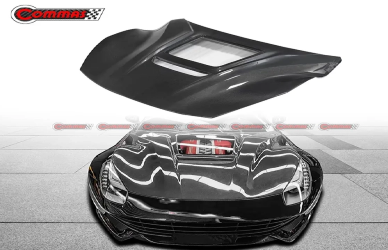
The car hood plays a significant role in vehicle design, not only contributing to the overall aesthetic appeal but also impacting performance and aerodynamics. Traditionally made from materials like steel, the car hood serves to protect the engine and other critical components while influencing the weight distribution of the vehicle. With the growing demand for improved fuel efficiency, lightweight materials such as aluminum, carbon fiber, and fiberglass have become increasingly popular for car hoods. These materials are significantly lighter than traditional metals, reducing the overall weight of the vehicle, which in turn leads to lower fuel consumption and better fuel economy. In this article, we will explore how lightweight car hoods can enhance vehicle performance, improve aerodynamics, and contribute to overall fuel savings, making them an important modification for those seeking more efficient and high-performing vehicles.
Lightweight car hoods refer to hoods made from materials that are significantly lighter than traditional steel. The most common materials used for lightweight hoods are aluminum, carbon fiber, and fiberglass. These materials are chosen for their ability to reduce the overall weight of the vehicle while maintaining strength and durability.
Aluminum is lightweight, corrosion-resistant, and cost-effective, making it a popular choice for many vehicles.
Carbon fiber offers a high strength-to-weight ratio, making it ideal for high-performance and luxury cars.
Fiberglass is an affordable alternative that still provides weight reduction benefits and is commonly used for aftermarket modifications.
The primary advantage of using lightweight materials in car hoods is the reduction in vehicle weight. Lighter vehicles require less energy to move, which translates directly into better fuel efficiency. When the car's hood is lighter, the engine needs to work less to maintain speed and acceleration, resulting in lower fuel consumption. By reducing the overall weight, vehicles with lightweight hoods are able to improve miles per gallon (MPG), leading to long-term fuel savings and increased energy efficiency.
In addition to improving fuel efficiency, lightweight car hoods contribute to several performance benefits.
Improved Handling: With less weight to manage, vehicles can respond more quickly to steering inputs, providing better handling and maneuverability.
Better Acceleration: The reduction in weight allows for quicker acceleration, as the engine doesn't have to work as hard to move the vehicle.
Enhanced Braking: A lighter vehicle also means less stress on the braking system, improving stopping power and overall braking efficiency.
These performance improvements are particularly noticeable in sports cars and race cars, where every pound matters in maximizing speed, agility, and responsiveness.
One of the most significant benefits of installing a lightweight car hood is the reduction in vehicle weight, which directly leads to lower fuel consumption. A lighter vehicle requires less energy to accelerate, maintain speed, and overcome friction and air resistance. This means that the engine doesn’t have to work as hard, resulting in improved fuel efficiency and better miles per gallon (MPG). By reducing the weight of the car, especially in critical areas like the hood, you can achieve noticeable savings in fuel costs over time.
The energy required to move a car is directly linked to its weight. The heavier the vehicle, the more energy is needed to overcome inertia and friction. When a car is heavier, the engine has to exert more effort to get it moving and to keep it moving at higher speeds. This results in greater fuel consumption. By using lightweight materials like aluminum or carbon fiber for the car hood, the vehicle becomes easier to accelerate and requires less energy, improving its fuel efficiency.
In addition to reducing weight, lightweight car hoods often improve the vehicle’s aerodynamics. With a lighter hood, the car can be designed with more streamlined shapes and contours, allowing for better airflow and reduced drag. This enhancement in aerodynamics means the vehicle requires less energy to cut through the air, leading to further reductions in fuel consumption. The improvement in aerodynamics also contributes to better performance, such as quicker acceleration and more responsive handling, which can all contribute to overall fuel savings.
Sports Cars and Performance Vehicles: Many high-performance vehicles, such as sports cars, use carbon fiber hoods to reduce weight. This not only boosts acceleration and handling but also improves fuel efficiency. For example, performance vehicles equipped with carbon fiber hoods have been shown to gain a few additional miles per gallon, offering both speed and savings.
Everyday Vehicles: Even in more everyday vehicles, switching to an aluminum car hood can reduce the overall weight by 10-20 pounds, leading to a small but measurable improvement in fuel efficiency. For instance, vehicles like the Ford F-150 have incorporated aluminum body panels (including the hood), resulting in improved MPG without sacrificing durability or strength.
One of the primary benefits of lightweight car hoods is their contribution to better fuel efficiency. By reducing the overall weight of the vehicle, lightweight hoods make it easier for the engine to move the car, reducing energy consumption. But the advantages go beyond just fuel savings. Lightweight materials like aluminum, carbon fiber, and fiberglass improve the vehicle's handling, acceleration, and braking. With less weight to manage, the car responds more quickly to steering inputs, resulting in better maneuverability and a more agile driving experience. The reduction in weight also helps with quicker acceleration and more efficient braking, as less force is required to speed up or slow down the vehicle, leading to overall improved driving performance.
In addition to performance benefits, lightweight materials play a key role in enhancing vehicle safety. Despite their reduced weight, materials like carbon fiber and aluminum maintain a high strength-to-weight ratio, offering impact resistance without compromising on safety. In the event of a collision, lightweight hoods can contribute to better crash performance, as they allow for the efficient transfer of force during impact, helping to protect passengers. Furthermore, many lightweight materials are engineered to absorb and distribute impact forces more effectively, reducing the severity of damage in collisions.
Reducing the weight of the car hood not only enhances fuel efficiency but also improves overall vehicle dynamics without sacrificing safety. Lighter vehicles tend to have better weight distribution, which enhances aerodynamics and improves cornering stability and handling. This results in a more responsive and enjoyable driving experience. Importantly, lightweight hoods are designed to ensure that safety features such as crumple zones, airbags, and reinforced structures are not compromised. In fact, by reducing the weight of the vehicle, these features can become more effective in protecting passengers during a crash.

The cost of lightweight materials is a key factor when upgrading to a custom car hood. Aluminum is affordable, offering good fuel efficiency and durability. Carbon fiber is superior in performance but comes at a significantly higher price. Fiberglass is a more affordable alternative, though it doesn’t match carbon fiber’s strength. When choosing, consider your budget and desired performance—carbon fiber offers the best results but is costly, while aluminum is a more economical choice.
A custom hood may affect insurance premiums, especially with performance modifications like carbon fiber. Failing to disclose modifications to your insurer can lead to denial of coverage. Also, depending on where you live, modifying your car may require updating vehicle registration with local authorities or the DMV to ensure compliance with safety and emissions standards.
Vehicle modifications can be subject to local regulations concerning safety, emissions, and structural changes. In some regions, modifications to the hood may require additional inspections or certifications. Not complying with these laws could result in fines or issues with vehicle inspections, so it's important to check local laws before proceeding.
Lightweight car hoods reduce the overall weight of the vehicle, which means the car requires less energy to move. This reduction in weight leads to lower fuel consumption, improved miles per gallon (MPG), and overall better fuel efficiency.
Common materials for lightweight car hoods include aluminum, carbon fiber, and fiberglass. Aluminum is a cost-effective, lightweight option; carbon fiber is ideal for high-performance vehicles due to its strength-to-weight ratio; and fiberglass offers a good balance between cost and durability.
Yes, upgrading to a lightweight hood improves vehicle handling, acceleration, and braking due to the reduced weight. This leads to better vehicle dynamics and more responsive performance overall.
When installing a custom hood, it's important to check with local authorities or your insurance provider to ensure that the modification complies with safety regulations, emissions laws, and vehicle registration requirements. Proper documentation and approval may be needed to avoid issues with inspections or insurance coverage.
In conclusion, lightweight car hoods provide significant benefits in terms of fuel efficiency, performance, and safety. By reducing the weight of the vehicle, materials like aluminum, carbon fiber, and fiberglass help lower fuel consumption, improving miles per gallon (MPG) and overall fuel economy. These lightweight hoods also contribute to better handling, acceleration, and braking, enhancing the driving experience without compromising safety. The growing trend of using lightweight materials in the automotive industry reflects a broader move toward sustainability and eco-friendliness, as lighter vehicles require less energy to operate, reducing their carbon footprint. For vehicle owners, upgrading to a lightweight car hood offers long-term benefits, not only in terms of performance and fuel savings but also in the environmental impact, making it a smart choice for those looking to enhance their vehicle's efficiency and overall driving dynamics.


