
- All
- Product Name
- Product Keyword
- Product Model
- Product Summary
- Product Description
- Multi Field Search
 English
 Views: 0 Author: Site Editor Publish Time: 2025-11-05 Origin: Site



The interior trimmings of a car play a crucial role in enhancing both its aesthetics and comfort. These elements not only serve a functional purpose but also contribute significantly to the overall driving experience by creating an environment that is visually appealing and relaxing. The materials used for interior trimmings vary, with common options including leather, wood, fabric, carbon fiber, and plastic. Each material has its own unique qualities, offering different benefits in terms of luxury, durability, and style. Leather is often chosen for its premium feel and durability, while wood adds a classic touch of elegance. Fabric and cloth trimmings provide a comfortable and cozy atmosphere, and carbon fiber offers a modern, high-performance aesthetic. Plastic is a versatile and cost-effective option commonly used in many vehicles. However, to maintain the beauty and longevity of these materials, proper care is essential. This article will provide effective maintenance tips tailored to each material, helping car owners preserve the quality and appearance of their interior trimmings, ensuring they remain in top condition for years to come.
To maintain the beauty and integrity of leather trimmings, it’s essential to use appropriate leather cleaners. These cleaners are specially formulated to remove dirt and stains without damaging the material. Avoid using harsh chemicals or abrasive scrubbers that could cause discoloration or wear on the leather’s surface. Regular gentle cleaning ensures that the leather remains soft and smooth.
Leather needs to be conditioned regularly to maintain its moisture balance and prevent cracking. Use a high-quality leather conditioner that nourishes and softens the material, preventing it from drying out. Conditioning should be done every 3-4 months, or more often if the leather is exposed to harsh conditions like direct sunlight or extreme temperatures.
Leather trimmings should be protected from prolonged exposure to sunlight and heat, as these can cause fading and discoloration over time. Whenever possible, park your vehicle in a shaded area or use sunshades to protect the interior from UV damage. Additionally, avoid leaving the car in areas with high heat, as this can cause the leather to crack and fade.
Be cautious of sharp objects or abrasive materials that could scratch, puncture, or damage the leather. For example, keys or rough clothing can easily cause unsightly marks. Always be mindful of objects that come into contact with the leather, and if necessary, use seat covers or protective pads to prevent wear in high-contact areas such as the seats or armrests.
To maintain the appearance of wood trimmings, use a soft, damp cloth to gently wipe down the surface, removing dust and dirt. Avoid using abrasive cleaners or rough cloths, as they can damage the wood’s finish. Instead, opt for a mild cleaner designed specifically for wood surfaces to preserve its natural sheen.
Regularly polish or apply wood wax to enhance the wood’s natural shine and protect the surface from environmental damage. Polishing helps maintain a smooth, glossy finish, while the wax provides an added layer of protection against wear and tear, ensuring that the wood retains its beauty over time.
Wood trimmings are susceptible to scratches, so it’s important to be mindful of objects that come into contact with the surface. Keys, coins, or sharp items can easily cause damage. Try to avoid placing these items directly on wooden surfaces, and consider using protective covers or mats in areas that are frequently touched.
To protect wood trimmings from fading or discoloration due to UV exposure, consider applying a protective coating. This helps maintain the wood’s color and prevents damage from sunlight. Additionally, if the car is exposed to prolonged sun, try to park in shaded areas or use window tinting to reduce UV exposure, which can help preserve the integrity of the wood.
Regular vacuuming is essential to maintain fabric and cloth trimmings, especially on seats and upholstery. Vacuuming helps remove dust, dirt, and debris that can accumulate in fabric fibers, preventing wear and maintaining a clean interior. Use a soft brush attachment to ensure thorough cleaning without damaging the fabric.
For stain removal, use specialized fabric cleaners or spot removers to target specific stains. It’s important to avoid harsh chemicals or abrasive cleaners, as these can damage the fabric or cause discoloration. Gently blot stains rather than rubbing to prevent pushing them deeper into the fabric. Prompt treatment will prevent stains from setting and becoming permanent.
To keep fabric trimmings in top condition, wash fabric seat covers and upholstery periodically, following the manufacturer’s care instructions. Regular washing helps maintain the fabric’s freshness and texture. Be sure to check the manufacturer’s recommendations for water temperature, detergent types, and drying methods to avoid damaging the material.
To help protect fabric from stains and liquids, consider using fabric protectors. These products create an invisible barrier that repels spills and stains, making it easier to clean up accidents before they set. Regularly apply fabric protectors to maintain the integrity and cleanliness of your vehicle’s interior.
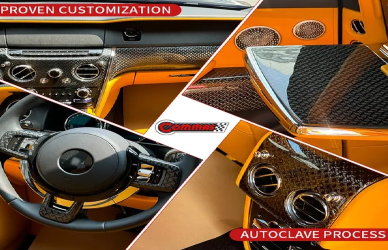
To clean carbon fiber trimmings, use a microfiber cloth to gently wipe down the surface, removing dust and dirt. Avoid using abrasive materials or rough cloths, as these can damage the smooth, glossy finish of the carbon fiber. Regular cleaning will maintain the material’s sleek look without causing scratches or discoloration.
Regularly apply carbon fiber polish to maintain the material’s shiny, sleek appearance. Polishing not only enhances the visual appeal of the carbon fiber but also helps protect the surface from minor scratches and damage. Use a polish specifically designed for carbon fiber to ensure the best results and long-lasting shine.
To protect carbon fiber trimmings from harsh chemicals and UV exposure, keep them away from cleaners that could degrade the material. Direct sunlight and UV rays can cause the carbon fiber to fade or lose its luster over time. Consider using UV-protectant sprays designed for carbon fiber to help maintain its color and finish.
Carbon fiber, though durable, can be susceptible to scratching if exposed to hard objects or rough surfaces. Always be cautious when placing items near carbon fiber trimmings, and avoid contact with sharp or rough materials that could cause damage. Regular care and awareness of how the material is handled will help keep it looking pristine.
To clean plastic and vinyl trimmings, use mild soap and water or a specialized plastic cleaner. Gently wipe down the surfaces to remove dust and dirt without damaging the material. Avoid using abrasive sponges or cleaners that can scratch or dull the finish.
Apply vinyl and plastic protectants to create a barrier that helps prevent cracking, fading, and wear. These products can help maintain the material’s appearance over time, preserving its color and texture. Regular application ensures long-lasting protection from the elements and daily use.
Keep plastic and vinyl trimmings out of direct sunlight to prevent yellowing or discoloration. UV rays can cause these materials to degrade and lose their appearance. Whenever possible, park in shaded areas or use sunshades to protect the interior from prolonged sun exposure.
For stubborn stains, use gentle cleaning agents designed for plastic or vinyl. Avoid harsh chemicals that may damage or discolor the surface. Gently scrub stains with a soft cloth or sponge, and always follow the product’s instructions to ensure the best results without causing harm to the material.
 FAQ: Car Interior Trimmings and Their Maintenance Tips
It’s recommended to clean your leather interior every 1-2 months, depending on usage. Regular conditioning should be done every 3-4 months to keep it soft and prevent cracking.
No, it’s important to use products specifically designed for wood, such as wood cleaner and polish, to avoid damaging the surface. Avoid abrasive cleaners that may scratch the finish.
Consider using a fabric protector spray before stains occur. Regularly vacuum the seats and treat stains immediately with a fabric cleaner to prevent them from setting.
Yes, carbon fiber is durable but can still be scratched by rough objects. Regular cleaning with a microfiber cloth and proper care will help maintain its appearance.
Maintaining plastic and vinyl trimmings is essential to keep your vehicle’s interior looking fresh and in top condition. Regular cleaning with mild soap and water, coupled with the use of protectants, helps preserve the material’s appearance and prevents damage like cracking or fading. By keeping your vehicle out of direct sunlight, you can avoid discoloration, ensuring that your plastic and vinyl trimmings retain their vibrant look for longer. Additionally, treating stubborn stains with gentle cleaners ensures that the surfaces stay intact without causing damage. By following these maintenance tips, you can keep your car’s interior looking new and extend the lifespan of its plastic and vinyl trimmings.