
- All
- Product Name
- Product Keyword
- Product Model
- Product Summary
- Product Description
- Multi Field Search
 English
 Views: 0 Author: Site Editor Publish Time: 2025-11-20 Origin: Site


Car bumpers are more than just aesthetic accessories—they are critical safety components designed to absorb impact, protect passengers, and minimize damage to a vehicle during collisions. Over the years, advances in automotive engineering have led to the development of bumpers from a variety of materials, each with unique characteristics, benefits, and trade-offs. In this article, we’ll explore the most common car bumper materials—plastic, steel, aluminum, and carbon fiber—so you can understand how material choices affect safety, performance, and cost.
Before diving into materials, it’s important to understand why bumpers matter. Car bumpers serve multiple purposes:
Impact Absorption: Modern bumpers are designed to absorb collision energy, reducing damage to the vehicle frame and protecting passengers.
Pedestrian Safety: Advanced bumpers help minimize injury during pedestrian impacts, complying with safety regulations in many regions.
Aerodynamics and Aesthetics: Beyond protection, bumpers influence the vehicle’s aerodynamic profile and visual appeal.
Mounting for Accessories: Bumpers often house sensors, cameras, fog lights, and license plates, making material choice critical for functionality.
The material selected for a bumper affects all these functions, so automakers carefully balance safety, weight, cost, and durability.
Plastic is the most widely used material for modern car bumpers, largely due to its versatility, cost-effectiveness, and design flexibility. Advances in polymer technology have made plastic bumpers not only aesthetically appealing but also functional in terms of energy absorption and pedestrian safety.
Automotive engineers use several types of plastics to manufacture durable and lightweight bumpers:
Polypropylene (PP): One of the most common plastics for car bumpers, polypropylene is lightweight, flexible, and highly resistant to minor impact damage. Its flexibility allows it to deform under pressure and return to its original shape, which is ideal for low-speed collisions.
Polycarbonate (PC): Often blended with polypropylene, polycarbonate offers higher impact resistance and better heat stability. This makes it suitable for vehicles operating in extreme temperatures, ensuring the bumper maintains its integrity.
Acrylonitrile Butadiene Styrene (ABS): Known for toughness and rigidity, ABS is easy to mold and can achieve complex shapes. It is commonly used in parts of the bumper assembly that require high structural stability.
Plastic bumpers offer multiple benefits that make them the preferred choice for passenger vehicles:
Lightweight: Reducing overall vehicle weight helps improve fuel efficiency and vehicle handling. Lighter bumpers also reduce the stress on suspension components.
Flexibility: Plastic absorbs minor collisions without cracking, which can reduce repair costs after low-speed accidents.
Design Freedom: Plastic can be molded into intricate shapes, allowing automakers to design bumpers that complement aerodynamics and overall vehicle styling.
Corrosion Resistance: Unlike metal, plastic will not rust, providing long-term durability even in wet or salty environments.
Cost-Effective Production: Plastic is relatively inexpensive compared to metals, making it ideal for mass-produced vehicles.
Despite its many advantages, plastic has some limitations:
Lower Strength in Major Collisions: Plastic may crack, split, or deform under high-impact collisions, offering less protection than metal bumpers in severe crashes.
Repair Complexity: While small scratches can often be buffed or painted, deeper cracks or fractures may require full replacement.
Environmental Sensitivity: Certain plastics can become brittle over time when exposed to prolonged UV light or extreme temperatures.
Plastic bumpers dominate in passenger vehicles because they balance cost, safety, weight, and design flexibility effectively.
Steel has been a traditional bumper material for decades, valued for its strength, durability, and ability to withstand high-impact forces. Steel bumpers are still widely used in trucks, SUVs, and commercial vehicles, where structural protection is a priority.
Steel bumpers are usually made from high-strength, cold-rolled steel. Key properties include:
High Impact Resistance: Steel can endure significant force without bending or breaking, providing robust protection in collisions.
Load-Bearing Ability: Strong steel bumpers can support heavy accessories such as winches, bull bars, or towing equipment, making them ideal for off-road vehicles.
Longevity: Steel is a highly durable material, capable of lasting the lifetime of the vehicle when properly treated against corrosion.
Steel bumpers offer several key benefits:
Durability: Steel is robust, long-lasting, and capable of handling repeated stress without significant damage.
Repairability: Minor dents can often be hammered out, and scratches can be sanded and painted, reducing replacement costs.
Enhanced Safety: Steel bumpers can provide added protection for both passengers and vehicle components in low- to medium-speed impacts.
Load Support: Steel bumpers allow installation of additional vehicle accessories without compromising structural integrity.
While strong and durable, steel bumpers have some drawbacks:
Weight: Steel adds significant mass to the vehicle, which can reduce fuel efficiency and affect handling.
Corrosion Risk: Without proper coating, galvanization, or paint protection, steel is prone to rust, especially in wet or salty conditions.
Design Limitations: Steel is less adaptable to complex shapes or aerodynamic styling compared to plastics, limiting aesthetic versatility.
Steel bumpers remain popular in heavy-duty vehicles, off-road trucks, and commercial applications where durability and impact resistance outweigh weight considerations.
Aluminum bumpers combine many benefits of steel and plastic, offering strength without excessive weight. This material is increasingly popular in premium vehicles, electric cars, and luxury SUVs where performance, efficiency, and corrosion resistance are critical.
Lightweight: Aluminum is roughly one-third the weight of steel, which helps reduce overall vehicle mass and improve fuel economy.
Corrosion-Resistant: Naturally resistant to rust, aluminum lasts longer in humid or coastal environments.
Moderate Flexibility: Aluminum can deform under impact and absorb collision energy better than steel in some cases.
Fuel Efficiency: Reduced vehicle weight improves fuel efficiency and performance, making aluminum ideal for modern vehicles aiming to meet stringent environmental standards.
Aesthetic Versatility: Aluminum can be polished, anodized, or coated for premium finishes, appealing to buyers who value style.
Durability: Resistant to corrosion and long-lasting even in harsh climates.
Moderate Strength: While lighter than steel, aluminum provides adequate impact protection for everyday driving conditions.
Higher Cost: Aluminum bumpers are generally more expensive than steel or plastic, increasing production and replacement costs.
Repair Difficulty: Aluminum is harder to weld and repair after collision damage, often requiring specialized techniques.
Limited Extreme Impact Resistance: While aluminum is strong, severe collisions may cause bending or deformation more easily than steel.
Aluminum bumpers are ideal for premium vehicles and electric cars, where reducing weight and maintaining corrosion resistance are essential.
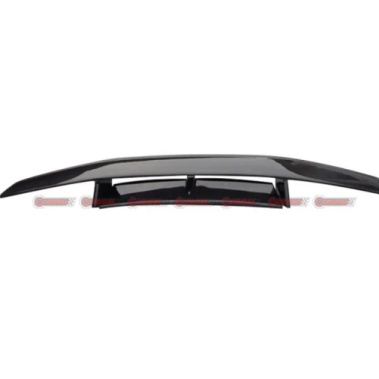
Carbon fiber is a high-performance material used primarily in sports cars and luxury vehicles.
High Strength-to-Weight Ratio: Extremely strong while being lightweight.
Rigid Structure: Maintains shape under stress, ideal for high-speed stability.
Stylish Appearance: Offers a sleek, modern aesthetic with visible weave patterns.
Lightweight Performance: Minimal weight enhances acceleration, handling, and fuel efficiency.
High Impact Resistance: Excellent energy absorption in targeted areas.
Premium Look: Often associated with high-end performance vehicles.
High Cost: Manufacturing and repair costs are significantly higher than other materials.
Brittleness: Can shatter under extreme impact if not engineered properly.
Repair Complexity: Damage often requires full replacement rather than simple repairs.
Carbon fiber bumpers are typically chosen for racing cars, performance sedans, and show vehicles where performance and aesthetics outweigh cost concerns.
When selecting a bumper, several factors influence the best material choice:
Vehicle Type: Passenger cars favor plastic for flexibility and cost, while trucks and SUVs often require steel or aluminum for strength.
Usage Environment: Off-road or industrial vehicles may need steel or aluminum for durability, whereas city cars prioritize lightweight plastic.
Safety Standards: Bumper materials must meet regulatory requirements for impact absorption and pedestrian protection.
Maintenance and Repair Costs: Plastic is easier to mold but may crack, steel is durable but heavier, aluminum resists rust but is costlier, and carbon fiber offers premium performance at high expense.
Aesthetics and Customization: Plastic and carbon fiber allow for intricate designs, while steel and aluminum are more limited but can be polished or coated.
Automotive engineering continues to innovate in bumper materials:
Hybrid Bumpers: Combining plastic with aluminum or steel reinforcement for optimal strength and weight balance.
Eco-Friendly Materials: Bioplastics and recycled composites reduce environmental impact.
Integrated Sensors: Modern bumpers increasingly incorporate parking sensors, cameras, and radar modules, requiring materials compatible with electronics.
Lightweight Performance Upgrades: Sports and electric vehicles are adopting carbon fiber and aluminum composites to improve efficiency and performance.
Understanding car bumper materials is essential for making informed decisions, whether you are buying a new vehicle, customizing for aesthetics, or considering repairs. Plastic offers lightweight flexibility and cost-effectiveness, steel provides durability and strength, aluminum balances weight and resistance to corrosion, and carbon fiber delivers cutting-edge performance and style. Each material has its unique set of advantages and trade-offs, making the choice dependent on vehicle type, usage, and personal preference.
For those interested in exploring high-quality car bumpers or custom automotive accessories, Guangzhou CSS Auto Accessories Co., Ltd. offers a comprehensive selection of materials and designs to suit a wide range of vehicles. Their products combine functionality, safety, and style, making it easy to enhance both the performance and aesthetics of your car. You can learn more about their offerings or get in touch directly for advice and sourcing options.


