
- All
- Product Name
- Product Keyword
- Product Model
- Product Summary
- Product Description
- Multi Field Search
 English
 Views: 0 Author: Site Editor Publish Time: 2025-11-17 Origin: Site


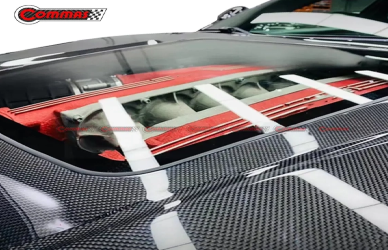
When it comes to upgrading a vehicle, one of the most common modifications is changing the car hood. Custom car hoods not only enhance the aesthetic appeal of a vehicle but can also improve aerodynamics and performance. However, before making this upgrade, it's important to understand the legal considerations surrounding custom hoods. Depending on where you live, there are different regulations that may affect whether you can install a custom hood on your car, especially if it impacts visibility, safety, or emissions. In this article, we'll explore the legality of custom car hoods, what factors you need to consider, and how to ensure that your modification complies with local laws.
When upgrading your vehicle with a custom car hood, it’s crucial to consider the legal implications, particularly concerning emissions, safety, and vehicle modification laws. Below are the key legal considerations you need to be aware of before making any changes to your car hood.
One of the primary concerns with custom car hoods is how they may affect the vehicle’s emissions system. Custom hoods can alter airflow or cooling systems, potentially impacting the performance of emissions controls like the exhaust system or engine cooling. In many areas, modifications that affect emissions can lead to violations of local environmental laws, which regulate vehicle pollution and air quality. Before installing a custom hood, it's important to ensure that the modification does not interfere with the vehicle's emissions systems, as this could make your vehicle non-compliant with emissions testing and inspection requirements.
Another major legal consideration is safety. Custom car hoods must not impair the driver’s visibility, as this could lead to safety hazards. Some custom hoods may obstruct the driver’s view of the road, particularly if they alter the design of the front grille or include excessively dark or tinted materials. Additionally, modifications must not interfere with important safety features, such as crumple zones, airbags, or pedestrian protection systems. Any changes to the car's original design that compromise these features could not only endanger the driver but also make the vehicle non-compliant with safety regulations.
Many jurisdictions have laws governing how and what types of vehicle modifications are allowed. These laws typically focus on ensuring that modifications do not compromise safety, emissions, or other aspects of vehicle functionality. Custom car hoods that alter the structural integrity of the vehicle, interfere with safety features, or affect visibility may fall under restrictions. For example, some regions may require modified vehicles to undergo additional inspection or certification to ensure the modifications meet local standards. It's important to consult your local vehicle regulations before installing a custom car hood to ensure it adheres to all relevant laws.
Custom car hoods generally fall into two categories: performance hoods and aesthetic hoods, each serving different purposes and having distinct impacts on your vehicle’s performance and legality.
Designed to improve engine cooling and aerodynamics, performance hoods are often made of lightweight materials like carbon fiber or aluminum. They may include vents to increase airflow and prevent engine overheating, making them ideal for sports or race cars. However, these modifications can affect the vehicle’s emissions system or structure, potentially violating local environmental or safety regulations if they interfere with emissions controls or vehicle inspections.
Aesthetic hoods focus on enhancing the vehicle's appearance, often through unique designs, paint jobs, or decorative features. While they primarily serve a visual purpose, some aesthetic hoods may also improve minor aspects of aerodynamics. However, it’s important to ensure that these modifications don’t obstruct visibility or compromise safety features, as these could lead to legal issues during vehicle inspections.
In both cases, it’s important to ensure your custom car hood complies with local safety and environmental laws to avoid potential legal problems.
Installing a custom car hood can potentially affect your vehicle insurance premiums and coverage. Insurance providers may view modifications, especially those that alter the vehicle’s structure or performance, as increasing the risk of damage or theft. As a result, your premiums may rise. Additionally, it's important to disclose any customizations, including a new car hood, to your insurance provider. Failure to do so could lead to denial of coverage in the event of an accident or claim. Insurance companies may also require documentation or an updated vehicle valuation to reflect the new modifications.
When you install a custom car hood, you may need to notify local authorities or update your vehicle registration. In some regions, modifications that change the vehicle’s appearance or structural integrity must be reported to ensure the vehicle meets safety and emissions standards. Check with your local Department of Motor Vehicles (DMV) or equivalent agency to determine if you need to file any paperwork or update your registration to reflect the modification. Failing to do so could result in issues with vehicle inspections or legal complications.
A custom car hood may also impact your vehicle’s resale value, especially if it affects the car's original structure or compliance with local laws. Some potential buyers may be wary of purchasing a modified vehicle due to concerns over insurance or future inspections. It's essential to keep documentation of the modification and ensure that it’s legally compliant, as this can help maintain your car’s value and avoid complications when selling.
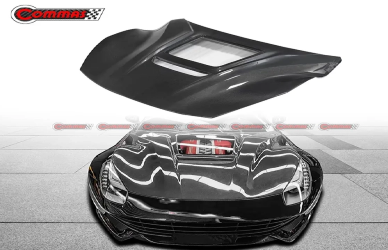
Before installing a custom car hood, it’s crucial to consult local authorities to ensure that the modification complies with local laws and regulations. Different regions have specific rules about vehicle modifications, particularly when it comes to safety, emissions, and structural changes. Local government offices, such as the Department of Motor Vehicles (DMV) or your country’s vehicle regulatory agency, can provide guidance on what is legally permissible. Checking these regulations beforehand helps avoid issues with vehicle inspections, safety standards, or emissions compliance.
To ensure that your custom car hood meets legal requirements, it’s important to choose certified aftermarket parts. These parts should comply with safety and emissions standards set by regulatory bodies. Look for certifications such as DOT (Department of Transportation) or E-mark certification, which indicate that the parts have passed safety and quality tests. Buying approved parts not only ensures legal compliance but also guarantees that the modification won’t compromise your vehicle's safety features or performance. Always check for proper certification to avoid fines or complications during vehicle inspections.
As vehicle modification laws can change over time, it’s important to stay informed about updated regulations in your area. Local ordinances may evolve, and modifications that were previously acceptable may become illegal, especially as emissions standards become stricter. Regularly reviewing government websites or consulting with vehicle professionals can help ensure that your car modifications remain compliant with the law.
In some regions, after installing a custom hood, you may need to provide documentation or have your vehicle undergo an inspection to verify compliance with safety and emissions standards. This process ensures that the modification does not compromise the vehicle's safety, and is especially important for performance-related upgrades. Be prepared to submit the necessary paperwork or bring your vehicle to a certified inspection center to ensure everything is up to code.
Yes, insurance premiums may increase when you install a custom car hood, as modifications can raise the perceived risk of damage or theft. Insurance providers may charge higher premiums due to changes in the vehicle's structure or performance. It's important to discuss the modification with your insurer to understand potential cost adjustments.
Yes, you should disclose all customizations, including the installation of a new car hood, to your insurance provider. Failure to do so could lead to denial of coverage in the event of an accident or claim. Insurance companies may require updated documentation or a new vehicle valuation to reflect the modifications.
In some regions, yes. If the custom hood alters the vehicle's appearance or structural integrity, you may need to update your vehicle registration or notify local authorities. It’s important to check with your local DMV or equivalent agency to ensure your registration is up to date and compliant with safety and emissions standards.
Yes, a custom car hood can impact the resale value of your vehicle, especially if it affects the car’s original structure or compliance with legal standards. Buyers may be cautious about purchasing a modified car due to potential insurance issues or future inspections. Keeping proper documentation of the modification can help preserve your car's value.
In conclusion, installing a custom car hood can enhance the appearance and performance of your vehicle, but it’s important to consider the legal aspects before proceeding. Custom hoods may affect the vehicle’s safety, emissions systems, and overall compliance with local regulations. Always check local laws regarding vehicle modifications to ensure the changes do not interfere with safety standards or violate environmental laws. It's crucial to consult with local authorities to confirm that the modification is allowed and meets required certifications. Additionally, you should disclose the modification to your insurance provider and update your vehicle registration if necessary to avoid complications. By taking these steps, you can enjoy the benefits of a custom hood while ensuring your vehicle remains legal and compliant.


