
- All
- Product Name
- Product Keyword
- Product Model
- Product Summary
- Product Description
- Multi Field Search
 English
 Views: 0 Author: Site Editor Publish Time: 2025-11-27 Origin: Site


Body kits have become one of the most popular ways to customize a vehicle, giving drivers the flexibility to enhance appearance, performance, and aerodynamics all at once. Whether you’re passionate about motorsports-inspired designs or simply want a more aggressive street look, body kits provide a powerful upgrade that can transform any car’s visual identity.
Today’s automotive aftermarket offers a wide variety of materials, designs, and installation methods, making it easier than ever for car owners to personalize their vehicles. This comprehensive guide explores the different types of body kits, compares materials, and provides practical installation tips to ensure your upgrade delivers the results you want.
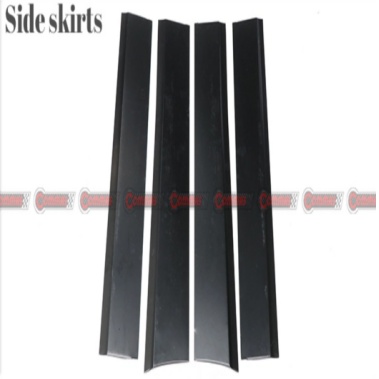
Body kits are sets of exterior components designed to modify the look and functionality of a vehicle. These kits can include bumpers, side skirts, spoilers, diffusers, fender flares, lip kits, and more. While many people associate body kits with cosmetic upgrades, they can also improve aerodynamic efficiency, reduce drag, and enhance downforce at higher speeds.
Well-designed body kits are engineered to integrate with a car’s existing body lines, ensuring both aesthetic harmony and structural compatibility. Depending on the design, they can give your car a lower stance, wider appearance, or sportier silhouette.
Body kits come in a variety of styles, each designed to provide a unique look, performance benefit, or combination of both. Understanding the different options is essential before making a purchase, as each type serves a specific purpose and may suit different driving or aesthetic goals.
Lip kits are among the most popular body kit options because they subtly enhance a vehicle’s appearance without drastically altering its structure. Typically, a lip kit includes a front lip spoiler, rear lip or diffuser, and side skirts. These components add a lower, sportier profile to the car while maintaining a relatively factory-like look. Lip kits are lightweight and often made from flexible materials such as polyurethane or ABS plastic, making them easy to install, repair, and maintain. Because of their simplicity, lip kits are ideal for beginners or those looking for a minor but noticeable aesthetic upgrade. They can also slightly improve aerodynamics by reducing front-end lift and smoothing airflow under the vehicle.
A full body kit provides a more dramatic transformation by modifying multiple areas of the vehicle. These kits typically include front and rear bumpers, side skirts, spoilers or wings, and sometimes optional wide fender extensions. Full kits are designed to integrate seamlessly with the vehicle’s lines while giving it a completely new appearance. Beyond aesthetics, full body kits can improve performance by enhancing airflow around the car, reducing drag, and increasing downforce, particularly for higher-speed driving. Installation is more involved than lip kits, often requiring precise alignment, professional painting, and attention to detail.
Widebody kits are designed for enthusiasts seeking an aggressive stance and enhanced performance. By extending the fenders, these kits allow for wider wheels and tires, which improve traction, cornering stability, and overall road grip. Widebody kits are especially popular among track-oriented drivers or those who want a muscular, bold look. Installation is more complex because it frequently involves cutting or reshaping factory panels to accommodate the new dimensions.
Aero kits focus primarily on performance. Components like functional diffusers, canards, front splitters, and side blades are included to optimize airflow and increase downforce. Aero kits are favored by racing enthusiasts and those who want track-ready modifications. While they can be functional, many also contribute to an aggressive visual aesthetic.
Custom body kits are fully tailored to the owner’s preferences. They allow for unique designs, bespoke materials, and one-of-a-kind styling. Custom kits are usually the most expensive option and require professional fabrication, but they offer unparalleled individuality and exclusivity.
Selecting the right material is crucial because it affects durability, flexibility, weight, and cost. Here are the most common materials used in body kit manufacturing.
Fiberglass is one of the most widely used materials.
Advantages:
Lightweight
Affordable
Easy to repair
Disadvantages:
Less flexible
Can crack under stress or impact
Fiberglass body kits are ideal for drivers who want a cost-effective solution without sacrificing appearance.
ABS plastic is a durable, impact-resistant material often used in OEM car parts.
Advantages:
Strong and flexible
Resistant to heat and impact
Smooth finish
Disadvantages:
More expensive than fiberglass
May deform at extremely high temperatures
ABS body kits are perfect for daily-driving vehicles due to their durability.
Polyurethane is popular because of its flexibility and resilience.
Advantages:
Highly flexible
Resistant to cracking
Great for low cars or rough roads
Disadvantages:
Higher cost
More challenging to paint
PU body kits are the best choice for regions with uneven roads or extreme weather.
Carbon fiber is the premium option for performance enthusiasts.
Advantages:
Extremely lightweight
Very strong
High-end appearance
Disadvantages:
Very expensive
Can be prone to UV fading without proper coating
Carbon fiber body kits are favored in racing and luxury custom builds.
When selecting a body kit, consider these factors:
Are you upgrading for style, performance, or both?
For aesthetics: lip kits or full kits
For performance: aero kits or carbon fiber components
For motorsports: widebody kits with enhanced aerodynamics
Not all body kits fit every car model. Ensure the kit is designed specifically for your vehicle to avoid alignment and installation issues.
Body kits vary greatly in price depending on material and complexity. Determine whether you prefer a cost-effective solution like fiberglass or a premium upgrade like carbon fiber.
If you drive in areas with potholes, steep driveways, or rough terrain, flexible materials like PU or ABS are better choices than rigid fiberglass.
Proper installation is essential for both aesthetics and safety. Here are key considerations:
While some kits (like lip kits) can be installed by experienced DIYers, full and widebody kits often require specialized tools, proper alignment, and expert finishing. Professional installation ensures:
Perfect fitment
Secure mounting
High-quality paint matching
Before painting or permanently installing the kit, test-fit all components. This step helps identify adjustments needed for:
Bolt alignment
Panel gaps
Corner transitions
Skipping this step can lead to costly corrections later.
Surface preparation ensures long-lasting paint adhesion. Steps include:
Cleaning and sanding
Priming
Applying base coat and clear coat
PU and ABS often require specialized primers.
Body kit parts must be firmly secured to prevent vibration or loose panels. Installation may use:
Bolts
Screws
Adhesive bonding
Factory mounting points
Ensuring correct hardware improves durability and safety.
Even a slight misalignment can be noticeable. Professionals use lasers, measurement tools, and careful spacing techniques to ensure all elements align with factory body lines.
To ensure longevity:
Wash regularly to avoid buildup
Check mounting points periodically
Repair cracks or chips before they expand
Proper care keeps the kit looking new and performing well.
Installing a body kit is a significant investment, so avoid these frequent errors:
Choosing a kit based on looks alone can lead to fitment problems or material regrets. Always verify compatibility and read reviews.
If the front lip sits too low, it may scrape speed bumps or curbs. Consider adjustable suspension or choose a higher-profile kit.
Even slight color differences are obvious in direct sunlight. Use professional color-matching services.
Skipping test-fits or using improper tools can lead to misalignment, rattling components, or long-term damage.
Although many people view body kits mainly as cosmetic upgrades, certain designs offer real performance benefits:
Aero components smooth airflow around the vehicle, reducing drag and improving fuel efficiency.
Splitters, diffusers, and wings increase stability at higher speeds by pressing the car closer to the road.
Vented hoods and bumper openings help reduce engine temperatures, especially during aggressive driving.
Widebody kits allow for wider wheels and tires, improving traction and cornering ability.
To maximize both aesthetics and performance, consider pairing body kits with:
Lowered suspension
Performance wheels
Upgraded brakes
LED headlight conversions
Exhaust enhancements
Coordinating these upgrades ensures the vehicle maintains balance between appearance and capability.
Body kits offer limitless options for personalization, whether your goal is a bold street look, a track-inspired stance, or improved aerodynamics. With multiple styles and materials available, car owners can easily choose a kit that aligns with their budget, driving habits, and aesthetic preferences. Careful installation and proper maintenance are essential for achieving a clean, professional finish that lasts.
If you are exploring high-quality body kits or seeking expert guidance on materials and fitment, you may consider checking out Guangzhou CSS Auto Accessories Co., Ltd. The company provides a wide range of exterior automotive accessories, and their team can help you find the right style and configuration for your vehicle without overwhelming you with sales pressure.
Feel free to reach out to them to learn more about available options, installation support, and product compatibility.


